
You automate weekly reporting by giving an AI employee access to your tools and a standard report format, so it pulls the numbers, writes the summary in your voice, and delivers it on schedule, without you assembling anything. The report stops being a Friday chore and becomes something that just shows up.
Key takeaway: Weekly reports are mostly data-gathering and formatting, not analysis. That's the part an AI employee can own completely, leaving you to read the result and make the call instead of building the document.
Why weekly reports eat so much time
A status report feels like thinking, but most of the hours go to mechanical work: opening five tools, copying numbers, chasing teammates for updates, pasting it into a template, and writing the same framing sentences you wrote last week. The actual judgment, deciding what the numbers mean, takes minutes. The assembly takes hours.
That ratio is the giveaway. When 90% of a recurring task is gathering and formatting, it's a prime candidate to hand off.
What a chatbot can't do here
You could paste numbers into ChatGPT and ask for a summary, but you're still the one gathering the numbers, every week, from every tool. That's the slow part, and the chatbot can't reach your tools to do it.
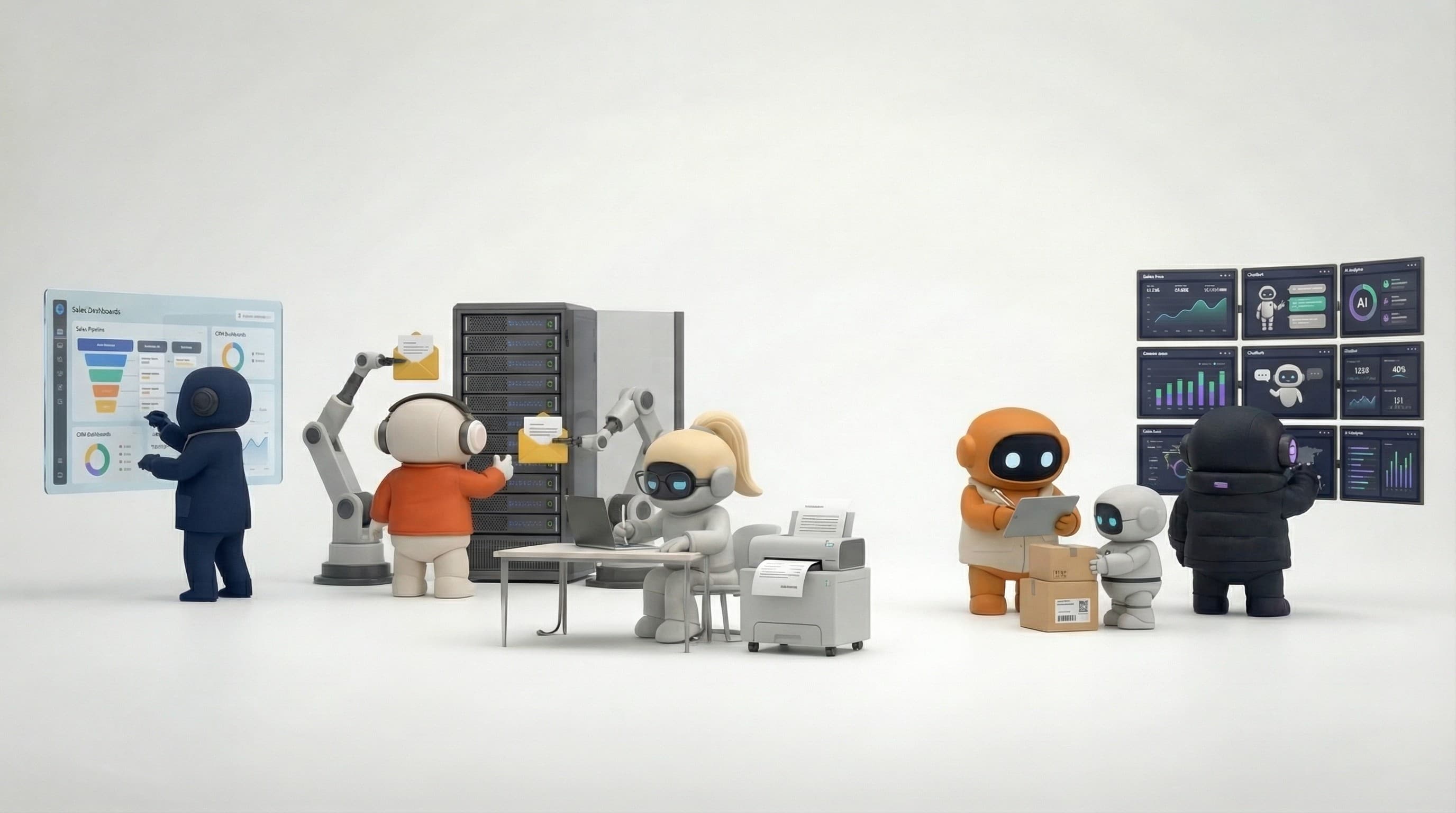
An AI employee can. It connects to your sources, pulls the current data itself, and writes the report using your format and voice from a shared company brain. The gathering, the part that actually costs you the hours, disappears.
| Doing it by hand | Pasting into a chatbot | AI employee | |
|---|---|---|---|
| Gathers the data | You | You | The agent |
| Writes the summary | You | The bot | The agent, in your voice |
| Knows your format | You remember | You re-explain | Stored in the brain |
| Runs on schedule | If you remember | No | Yes, automatically |
| Your effort each week | Hours | Less, but still gathering | Read and approve |
How to set up automated weekly reporting
- Define the report once. Which metrics, which sources, what sections, what tone. This becomes the standard the agent follows. (If you've documented it, see how to document an SOP for AI.)
- Connect the sources. The tools that hold your numbers (CRM, analytics, project board, support inbox) so the agent reads live data.
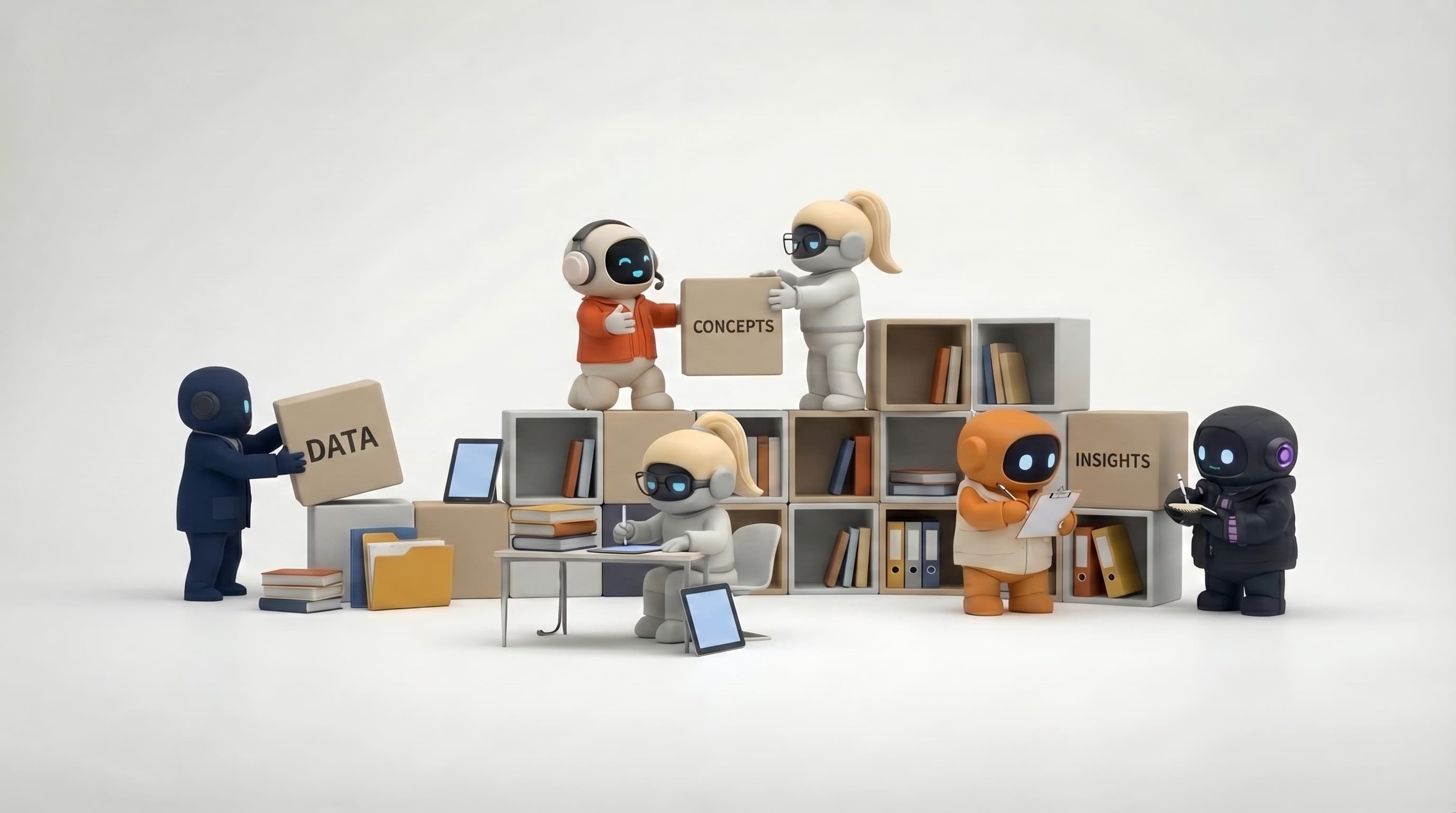
- Store the format and voice in the brain so every report comes out consistent without re-explaining.
- Set the schedule. The agent compiles and delivers it on the same cadence, every week.
- Review, don't rebuild. You read the draft, add any judgment calls, and send. That's the only recurring step left.
What stays yours
Automating the report doesn't automate the decisions. The agent hands you an accurate, well-formatted summary. You decide what to do about a dip, what to flag to the team, and what the week actually means. You're freed from assembling the report, not from leading off it.
How Agently fits
In Agently, an AI employee connects to your tools, reads your reporting format and voice from the shared Brain, and compiles your weekly report on schedule. It's one example of the broader pattern: recurring knowledge work handled end to end by agents that share context, so you spend your time on the read-out, not the build. (See more in reclaim 10 hours a week from busywork and how a team of five runs like fifteen.)